
By Dr. Robert Riley and Dr. Maulik Shah – Contributing writers Jan 13, 2026
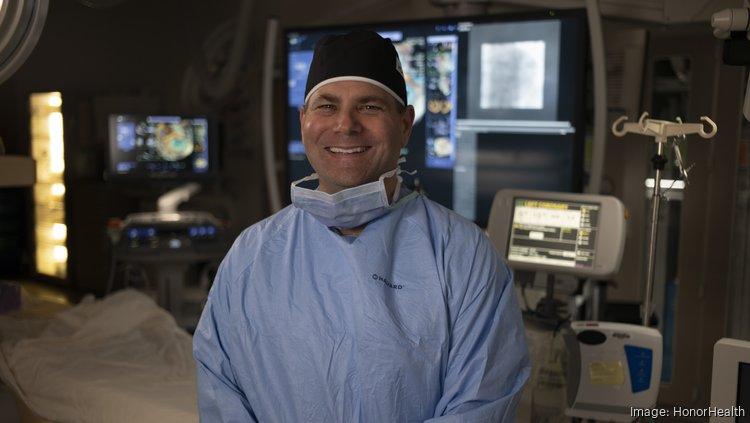
As physicians who have practiced in Scottsdale for decades, we have had the privilege of caring for generations of patients and witnessing the evolution of health care in this community firsthand. We are deeply invested in the health of our neighbors and in safeguarding the quality of care Scottsdale residents rely on. For that reason, recent calls to build another hospital in Scottsdale deserve careful scrutiny.
Scottsdale is fortunate to be home to some of the finest health care institutions in the state. HonorHealth and Mayo Clinic have provided comprehensive, high-quality care to our community for many years, earning national recognition for safety, outcomes, and patient experience. Scottsdale already has three hospitals and one of the highest concentrations of hospital beds per 1,000 residents in Arizona, second only to Sun City and Sun City West. Access is not the problem.
Much has been made of Arizona’s ranking as 42nd in hospital beds per capita. While that figure may sound concerning, it is a blunt statewide statistic that fails to reflect how care is actually delivered in metropolitan areas like Phoenix. It ignores local access, specialty availability, physician expertise, proximity of care, and — most important — outcomes. Applying that ranking to Scottsdale misrepresents the reality on the ground.
Nowhere is this more evident than in cardiovascular care. Scottsdale has robust, mature heart programs supported by exceptionally trained cardiothoracic, vascular and thoracic surgeons, as well as highly specialized cardiology teams.
Over the past several years, cardiovascular and cardiothoracic surgical volumes here have grown at double-digit rates. Patients routinely travel from across the Valley — and across Arizona — to receive care in Scottsdale. In the last decade alone, Scottsdale hospitals have been chosen for the most prestigious cardiovascular innovation and clinical trials in coronary stenting, arrhythmia treatment and valve replacement. These trends reflect confidence in the quality of care delivered, not unmet demand or inadequate capacity.
Adding new hospital could fragment care, strain workforce
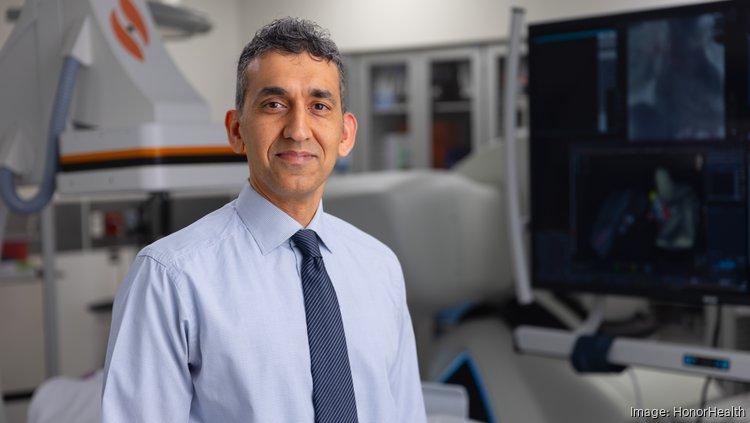
Scottsdale is also a center of medical innovation. For more than 20 years, the HonorHealth Research Institute’s Cardiovascular Research Program has contributed meaningfully to advances in heart disease treatment, including the development of new therapies now used worldwide. This commitment to research and innovation is a key reason HonorHealth was selected as the primary clinical affiliate for the Arizona State University School of Medicine and Medical Engineering in downtown Phoenix, which will welcome its first class in 2026.
The results speak for themselves. Scottsdale hospitals are consistently recognized by CMS, Leapfrog, and U.S. News & World Report for excellence, safety, and patient satisfaction — outcomes driven by highly engaged physicians, nurses, and staff.
Scottsdale’s health care system is not lagging. It is thriving and leading. Building another hospital where access, quality, and capacity already exceed state norms risks fragmenting care, straining an already limited health care workforce, and weakening the centers of excellence our patients depend on. In addition, additional hospitals in a limited geographic area will increase traffic and congestion in Scottsdale while creating redundancy in unnecessary hospital capacity that will not advance health care in our community.
Thoughtful public policy should strengthen what works, address genuine gaps, and protect proven quality. Scottsdale does not need another hospital. It needs decisions grounded in data, outcomes, and the long-term health of the
community we have proudly served for decades.
Robert Riley, MD, is a cardiology surgeon and Maulik Shah, MD, is a cardiologist with HonorHealth in Scottsdale.